















































































































A Holistic Approach to Breast Cancer: Treatment, Support, Exercise & Latest Research
Author: RVLNSV PRASAD
Updated On: September 2026
About Us
Author Bio
Editorial Policy
Contact Us
Introduction
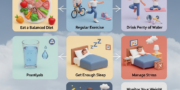
A holistic approach to breast cancer means caring for the whole person while making evidence-based cancer treatment the foundation of care. It looks beyond the tumor to consider physical health, nutrition, exercise, emotional well-being, sleep, treatment side effects, rehabilitation, relationships, practical support, and long-term survivorship.
This does not mean treating breast cancer with herbs, special diets, or home remedies instead of medical treatment. A safer and more evidence-based interpretation is integrative breast cancer care: standard oncology treatment remains central, while appropriate supportive approaches are added to help a person cope with symptoms, treatment effects, and the wider impact of cancer.
Breast cancer is also not one single disease. Different tumors have different biological characteristics, including hormone-receptor and HER2 status, and these differences can change the treatment approach. Modern breast cancer care is increasingly personalized, using pathology, biomarkers, targeted medicines, immunotherapy, and other precision-treatment strategies.
According to the World Health Organization, approximately 2.4 million women were diagnosed with breast cancer in 2024, and about 694,000 died from the disease worldwide. Breast cancer occurs in every country and remains the most commonly diagnosed cancer among women globally.
A whole-person approach therefore should not ask, “What natural treatment cures breast cancer?” A better question is
“How can evidence-based cancer treatment be combined with safe strategies that support the person’s physical, emotional and long-term health?”
That is the approach explored in this guide.
Quick Answer
A holistic approach to breast cancer combines appropriate medical treatment with individualized supportive care.
It may include:
- Surgery when appropriate
- Radiation therapy
- Chemotherapy
- Hormone or endocrine therapy
- Targeted therapy
- Immunotherapy
- Antibody-drug conjugates
- Appropriate nutrition
- Regular physical activity
- Strength and mobility exercises
- Sleep support
- Psychological care
- Stress-management strategies
- Rehabilitation
- Family and social support
- Selected complementary therapies
- Survivorship planning
- Appropriate follow-up and screening
The most important principle is simple:
Holistic care should complement evidence-based cancer treatment, not replace it.
The Society for Integrative Oncology and ASCO have published evidence-based recommendations for selected integrative approaches, including certain mind-body interventions, yoga, meditation, acupuncture, and other supportive strategies for specific symptoms and quality-of-life concerns.
ASCO: Exercise, Diet and Weight Management During Cancer Treatment
Key Takeaways
- A holistic approach considers the whole person, not only the tumor.
- Surgery, radiation, systemic medicines, and other proven cancer treatments remain central.
- Nutrition can help maintain strength and nutritional status but is not a substitute for cancer treatment.
- Exercise can reduce fatigue and improve physical function and quality of life when appropriately prescribed.
- Psychological and emotional support are important parts of cancer care.
- Some complementary therapies may help selected symptoms, but evidence varies considerably.
- Supplements and herbal products can interact with cancer medicines and should be discussed with the oncology team.
- Newer treatments increasingly use biomarkers and tumor biology to personalize therapy.
- Antibody-drug conjugates are rapidly expanding the treatment options for several breast cancer subtypes.
- ctDNA is an important research and precision-medicine tool, but it is not yet recommended routinely for breast-cancer recurrence surveillance.
- AI-assisted mammography and pathology are promising technologies but should not be presented as replacements for specialist clinical judgment.
- Breast-cancer vaccines are being investigated, including HER2-directed, alpha-lactalbumin, and mRNA-based approaches, but they remain experimental rather than routine treatment.
- The best holistic plan is individualized according to cancer type, stage, treatment, symptoms, overall health, and personal preferences.
What Does a Holistic Approach to Breast Cancer Actually Mean?
The term “holistic” is sometimes used so broadly that it can become confusing.
In cancer care, a practical definition is
Treat the cancer appropriately while also caring for the physical, emotional, nutritional, social, and functional needs of the person.
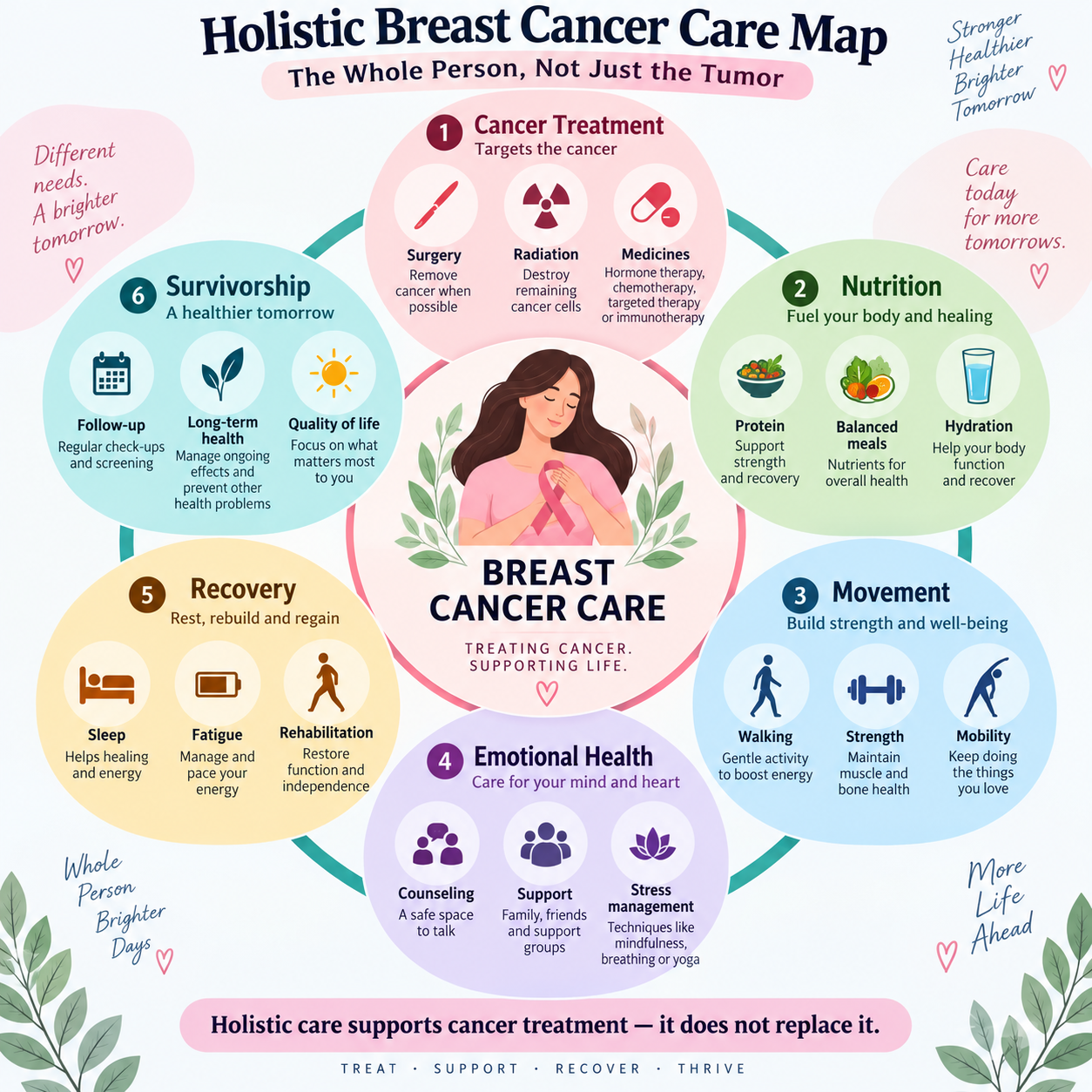
This can involve several connected areas.
| Area of care | What it may include |
|---|---|
| Cancer treatment | Surgery, radiation, chemotherapy, endocrine, targeted, and immune-based treatment |
| Nutrition | Adequate calories, protein, fluids, and nutrients |
| Exercise | Walking, aerobic activity, strength, flexibility, and mobility |
| Emotional health | Counseling, support groups, and psychological care |
| Sleep | Managing insomnia, fatigue, and treatment-related disruption |
| Rehabilitation | Physical therapy, lymphedema management, and restoring function |
| Symptom management | Pain, nausea, fatigue, neuropathy, and other treatment effects |
| Social support | Family, friends, work, and practical assistance |
| Survivorship | Long-term health, recurrence monitoring, and quality of life |
This approach is consistent with the broader movement toward patient-centered and survivorship-focused cancer care.
What a Holistic Approach Does Not Mean
A holistic approach does not mean:
- replacing surgery with supplements
- replacing chemotherapy with a special diet
- using herbs instead of radiation
- stopping hormone therapy
- claiming that meditation destroys tumors
- claiming that positive thinking cures cancer
- relying on detoxes or fasting as cancer treatment
- assuming every natural product is safe
These distinctions matter because people with cancer can be vulnerable to misleading health claims.
The National Cancer Institute and major oncology organizations emphasize evidence-based cancer treatment while recognizing that supportive and complementary approaches may help certain symptoms or quality-of-life concerns.
Understanding Breast Cancer
Breast cancer develops when abnormal breast cells grow and multiply in an uncontrolled way.
It is a biologically diverse group of diseases.
Important tumor characteristics can include:
- Estrogen receptor status
- Progesterone receptor status
- HER2 status
- Tumor grade
- Tumor size
- Lymph-node involvement
- Genetic or molecular alterations
These characteristics can influence which treatments are appropriate.
For example, hormone-receptor-positive breast cancers may respond to endocrine therapy, while HER2-positive cancers may benefit from HER2-directed treatment.
Triple-negative breast cancer does not express estrogen receptors, progesterone receptors, or HER2 and may require a different treatment strategy.
Modern breast cancer treatment increasingly depends on tumor biology rather than anatomy alone.
Breast Cancer Symptoms
Breast cancer can sometimes cause noticeable changes, although early disease may produce no symptoms.
Possible signs include:
- A new lump in the breast
- A lump or swelling under the arm
- Thickening in part of the breast
- Change in breast size or shape
- Skin dimpling
- Persistent skin changes
- Nipple changes
- Nipple discharge that is not breast milk
- Changes around the nipple
- Persistent swelling or unusual breast changes
Most breast changes are not cancer.
However, a new or persistent breast change should be assessed by an appropriate healthcare professional rather than diagnosed at home.
Breast Cancer Risk Factors
Breast cancer does not have one universal cause.
Risk results from a combination of genetic, hormonal, reproductive, environmental, and lifestyle factors.
Some risk factors cannot be changed:
- Age
- Family history
- Certain inherited genetic variants
- Previous chest radiation
- Some reproductive and hormonal factors
Other factors may be modifiable, including:
- Alcohol consumption
- Physical inactivity
- Excess body weight after menopause
- Some lifestyle patterns
The American Cancer Society notes that physical activity is associated with lower breast cancer risk and that maintaining a healthy weight is particularly important for reducing certain risks, especially after menopause.
American Cancer Society: Can I Lower My Risk of Breast Cancer?
An important point is that risk reduction is not the same as prevention certainty. Someone can develop breast cancer despite having a healthy lifestyle, while another person may have several risk factors and never develop the disease.
How Breast Cancer Is Diagnosed
A holistic approach begins with an accurate diagnosis.
Depending on the situation, doctors may use:
- Clinical examination
- Mammography
- Ultrasound
- Breast MRI in selected situations
- Image-guided biopsy
- Pathology
- Biomarker testing
- Genetic testing when indicated
A biopsy is particularly important because imaging cannot provide every piece of information needed to characterize a tumor.
Pathologists may evaluate the tumor for hormone receptors, HER2, and other characteristics that help guide treatment.
What About AI in Breast Cancer Diagnosis?
Artificial intelligence is one of the most interesting developments in modern breast imaging.
AI systems are being developed to assist with:
- Mammogram interpretation
- Breast-image analysis
- Biopsy specimen interpretation
- Detection of suspicious patterns
- Risk prediction
However, AI is still an evolving technology.
The NCI notes that AI algorithms are being developed for screening mammograms and biopsy specimens, but questions remain about issues such as overdiagnosis and how these tools should influence final clinical decisions.
NCI: Breast Cancer Screening and AI Research
Therefore, the responsible message is
AI may assist clinicians, but it should not be presented as a replacement for professional diagnosis.
Breast Cancer Staging and Tumor Biology
Doctors use staging to describe how extensively breast cancer has spread.
Broadly:
| Stage | General description |
|---|---|
| Stage 0 | Non-invasive disease confined to its original area |
| Stage I | Early invasive cancer with limited spread |
| Stage II | Larger and/or more regionally involved disease |
| Stage III | More extensive local or regional disease |
| Stage IV | Cancer that has spread to distant organs |
This simplified table should not be used to determine an individual’s prognosis.
Doctors also consider:
- ER status
- PR status
- HER2 status
- Tumor grade
- Lymph-node involvement
- Tumor size
- Molecular characteristics
- Genetic findings
- Overall health
This is why two people with the same stage may receive different treatment plans.
Standard Breast Cancer Treatment Remains the Foundation
A holistic approach should begin with the best cancer treatment appropriate for the individual.
Surgery
Surgery may remove the tumor, the breast, or selected lymph nodes depending on the disease and treatment plan.
Breast-conserving surgery and mastectomy are two major surgical approaches.
Radiation Therapy
Radiation uses high-energy treatment to destroy cancer cells in a defined area.
It may be used after surgery or in other clinical situations.
Chemotherapy
Chemotherapy uses medicines that circulate through the body to destroy or inhibit rapidly dividing cancer cells.
It is not necessary for every person with breast cancer.
Endocrine Therapy
Hormone-receptor-positive cancers may be treated with endocrine medicines that interfere with hormone-driven tumor growth.
Targeted Therapy
Targeted treatments act on particular molecular features of cancer cells.
HER2-directed therapy is one of the best-known examples.
Immunotherapy
Immune checkpoint inhibitors may be used in selected breast cancers, particularly certain triple-negative cancers.
Antibody-Drug Conjugates
Antibody-drug conjugates, or ADCs, combine an antibody that recognizes a target with a potent drug payload.
They are one of the fastest-developing areas of breast cancer treatment.
The NCI describes ADCs as an important area of breast cancer treatment development.
NCI: Advances in Breast Cancer Research
What Is New in Breast Cancer Treatment in 2025–2026?
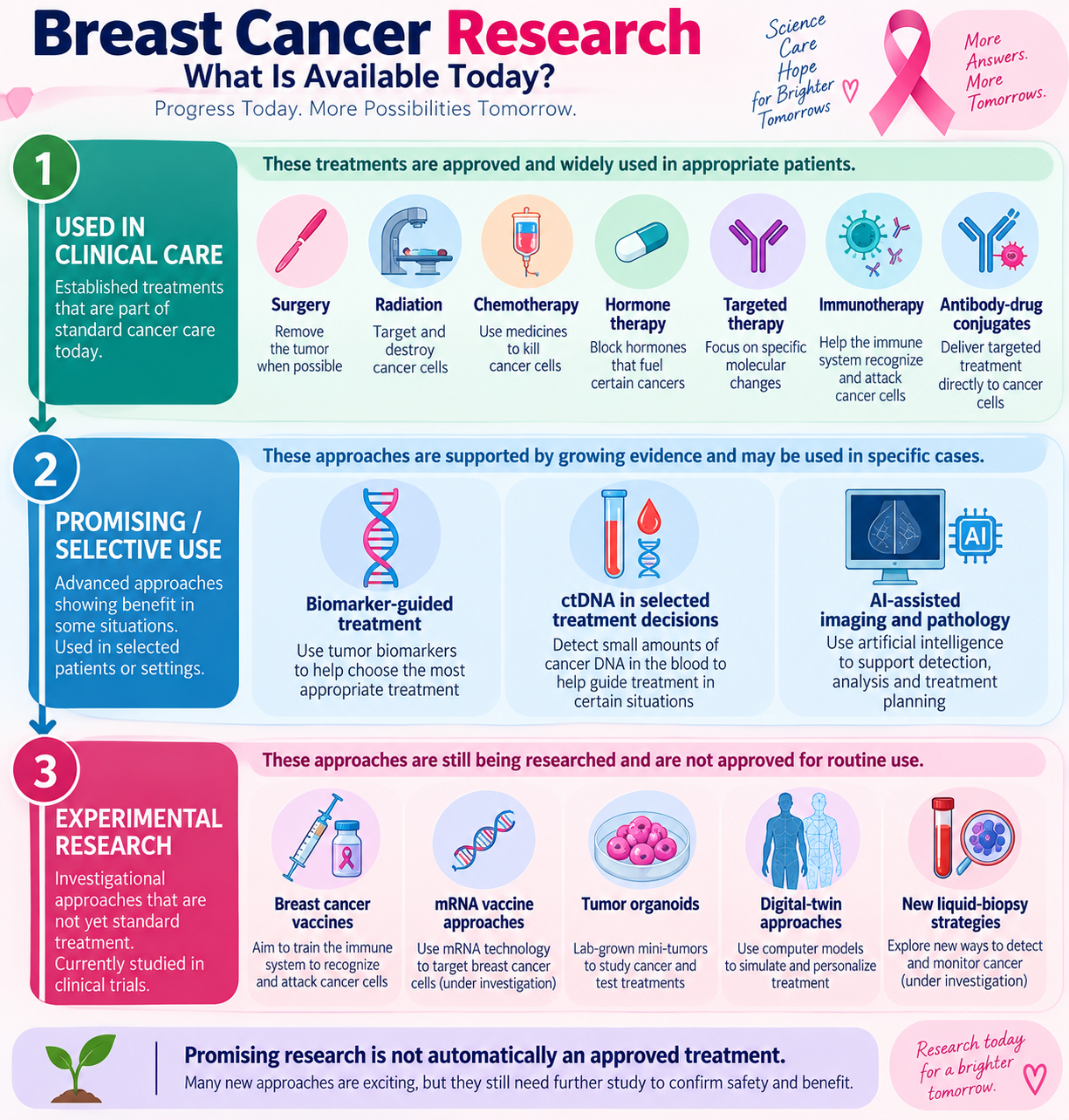
Modern breast cancer research is moving rapidly toward precision treatment, targeted drug delivery, biomarker-guided therapy, and individualized treatment sequencing.
1. Antibody-Drug Conjugates Are Expanding
In May 2026, the FDA approved trastuzumab deruxtecan for specific HER2-positive early breast cancer settings, including neoadjuvant treatment for certain stage II–III disease and adjuvant treatment for patients with residual invasive disease after neoadjuvant therapy.
FDA: 2026 Trastuzumab Deruxtecan Breast Cancer Approval
In May 2026, the FDA also approved datopotamab deruxtecan for adults with unresectable or metastatic triple-negative breast cancer who are not candidates for PD-1/PD-L1 inhibitor therapy.
In June 2026, the FDA approved sacituzumab govitecan for specific first-line advanced triple-negative breast cancer settings, including combination treatment with pembrolizumab for PD-L1-positive disease.
These developments illustrate how treatment is becoming increasingly dependent on tumor subtype and biomarkers.
2. HER2-Low and HER2-Ultralow Disease Has Become Clinically Important
Trastuzumab deruxtecan was also approved in 2025 for certain HR-positive, HER2-low, or HER2-ultralow metastatic breast cancers after progression on endocrine therapy.
This is an important example of how researchers are moving beyond the old simple “HER2-positive versus HER2-negative” framework.
3. ctDNA Is Opening a New Precision-Medicine Path
Circulating tumor DNA, or ctDNA, refers to fragments of tumor-derived DNA that can sometimes be detected in blood.
It is being investigated for:
- Detecting molecular changes
- Identifying emerging resistance
- Selecting targeted treatments
- Detecting molecular residual disease
- Predicting recurrence risk
One important 2025 development was the SERENA-6 trial, in which ctDNA surveillance was used to detect emerging ESR1 mutations in people with HR-positive/HER2-negative advanced breast cancer. Switching treatment before radiographic progression improved progression-free survival compared with continuing the original endocrine therapy.
However, there is an important distinction.
Promising research does not mean every patient should have ctDNA testing.
The 2026 ASCO ctDNA guideline says ctDNA can be useful in certain situations, including when tissue testing is difficult or when an approved treatment specifically permits or requires it, but broad use of ctDNA measures as a surrogate for disease burden is not recommended.
The 2026 ASCO breast-cancer surveillance guideline specifically says ctDNA cannot currently be recommended routinely for recurrence monitoring outside appropriate research settings.
This is an excellent example of why a trustworthy health article should distinguish research breakthroughs from established clinical practice.
4. Precision Medicine Is Becoming More Important
Modern treatment can use information about:
- ER
- PR
- HER2
- BRCA1/2
- PIK3CA
- ESR1
- Other molecular alterations
ASCO guidance recognizes the growing role of biomarker testing in metastatic breast cancer, including selected genomic alterations that may influence treatment choices.
5. Organoids Are an Emerging Research Tool
Breast-cancer organoids are three-dimensional laboratory models created from tumor cells.
Researchers are investigating whether organoids can help:
- Model tumor biology
- Study treatment resistance
- Test drugs
- Investigate tumor heterogeneity
- Explore personalized treatment strategies
A 2026 review describes breast-cancer organoids as a promising precision-medicine research platform, but this remains an emerging research technology rather than a routine test used for every breast-cancer patient.
Nutrition During Breast Cancer Treatment
Nutrition should focus on maintaining nutritional status, not finding a magic cancer-fighting food.
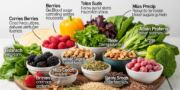
A balanced eating pattern may include:
- Vegetables
- Fruits
- Whole grains
- Beans and legumes
- Nuts and seeds
- Adequate protein
- Healthy sources of fat
- Appropriate fluids
Treatment can sometimes cause:
- Nausea
- Taste changes
- Appetite loss
- Mouth sores
- Difficulty swallowing
- Diarrhea
- Constipation
- Weight changes
These problems may require individualized nutrition support.
An oncology dietitian can be particularly helpful when treatment affects eating or weight.
Should Patients Follow a Ketogenic or Fasting Diet?
There is currently not enough evidence to recommend specific restrictive diets such as ketogenic diets or fasting as cancer treatments.
ASCO’s guideline on exercise, diet, and weight management states that evidence remains insufficient to recommend or discourage specific dietary interventions such as ketogenic or low-carbohydrate diets, low-fat diets, functional foods, or fasting for cancer-treatment outcomes.
Therefore, this article does not recommend an extreme cancer diet.
Exercise During Breast Cancer Treatment
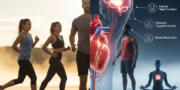
Exercise is one of the most useful components of a holistic breast-cancer care plan, but it needs to be individualized.
Evidence supports exercise during and after cancer treatment for improving outcomes such as
- Fatigue
- Physical function
- Strength
- Cardiorespiratory fitness
- Anxiety
- Depression
- Quality of life
ASCO recommends aerobic and resistance exercise during active cancer treatment with curative intent to help reduce treatment side effects, with evidence supporting improvements in fatigue, fitness, physical function, and some quality-of-life outcomes.
NCI: Physical Activity and Cancer
A Practical Breast Cancer Exercise Plan
This is an example framework, not an individualized prescription.
Beginner level
Start with:
- 5–10 minutes of comfortable walking
- Gentle mobility exercises
- Easy stretching
- Breathing exercises
Repeat as tolerated.
Building endurance
If the oncology team says exercise is appropriate, gradually work toward:
- Brisk walking
- Cycling
- Swimming when medically appropriate
- Low-impact aerobic exercise
Strength training
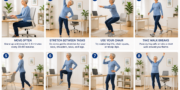
Strength exercises can include:
- Sit-to-stand movements
- Resistance-band rows
- Wall push-ups
- Light squats
- Step-ups
- Light resistance exercises
Flexibility and mobility
Gentle:
- Shoulder movements
- Arm circles
- Chest-opening movements
- Neck mobility
- Hip and ankle movements
It may be useful depending on the individual’s treatment and rehabilitation needs.
Long-term goal
For many cancer survivors, general physical-activity guidance aims toward 150–300 minutes of moderate activity per week, or 75–150 minutes of vigorous activity, plus muscle-strengthening activity at least twice weekly. These are general goals, not requirements that every patient should immediately achieve.
American Cancer Society: Physical Activity During and After Cancer Treatment
When Exercise Needs Modification
Talk with the treatment team before increasing activity if you have:
- Severe fatigue
- Fever or infection
- Significant anemia
- Bone metastases
- Severe pain
- Recent surgery
- Heart or lung problems
- Significant neuropathy
- Severe dizziness
- Uncontrolled symptoms
The NCI notes that exercise is generally beneficial for cancer survivors and can improve fatigue, mood, physical function, and quality of life, but exercise programs should be individualized.
New Research on Personalized Exercise
Exercise research is becoming more personalized.
A 2026 NCI-listed STEPS-BC clinical trial is investigating whether individualized physical-activity interventions, combined with healthy-living education, can help breast-cancer patients receiving chemotherapy maintain exercise capacity, heart health, and quality of life.
Other current studies are investigating ways to make exercise easier to maintain after breast-cancer treatment, including approaches that focus on enjoyment and personal response to exercise.
This represents an important future direction:
Instead of asking only how much exercise a patient should do, researchers are increasingly asking which exercise program is most practical and effective for that individual.
Emotional and Mental Health Support
A breast cancer diagnosis can affect:Mood
- Sleep
- Relationships
- Body image
- Sexual health
- Confidence
- Work
- Family responsibilities
- Fear of recurrence
A holistic care plan should therefore include emotional support.
Possible options include:
- Oncology counseling
- Toxic-oncology
- Support groups
- Cognitive behavioral approaches
- Meditation
- Relaxation techniques
- Mindfulness
- Family counseling
- Peer support
The goal is not to “think cancer away.”
The goal is to help a person cope with the psychological burden of diagnosis and treatment.
Can Meditation and Yoga Help?
They may help some people with selected symptoms and quality-of-life concerns.
Yoga can potentially support:
- Flexibility
- Gentle movement
- Relaxation
- Stress management
- Quality of life
Meditation may support:
- Relaxation
- Anxiety management
- Emotional well-being
- Mindfulness
These practices should be adapted to the individual’s physical condition.
They should not be marketed as treatments that kill cancer cells.
Complementary Therapies for Breast Cancer
Complementary therapies are used alongside standard treatment.
Examples include:
- Acupuncture
- Massage
- Meditation
- Yoga
- Relaxation techniques
- Music therapy
Evidence differs by therapy and by symptom.
For example, oncology guidance has found evidence supporting certain mind-body approaches for specific symptoms and quality-of-life outcomes, while evidence for many supplements remains inadequate.
The right question is therefore not
“Is this therapy natural?”
Instead ask:
“Does this therapy have evidence for the specific problem I am trying to manage, and could it interfere with my cancer treatment?”
Herbal Supplements: Why Extra Caution Is Needed
People with breast cancer sometimes consider:
- Turmeric or curcumin
- Green-tea extracts
- High-dose vitamins
- Herbal mixtures
- Medicinal mushrooms
- Antioxidant supplements
- “Detox” products
The problem is that concentrated supplements can behave very differently from foods.
They may affect:
- Drug metabolism
- Bleeding
- Liver function
- Hormone pathways
- Immune pathways
Therefore:
Do not start a supplement simply because it is described as natural or cancer-fighting.
Tell the oncology team exactly what you are taking.
Sleep and Fatigue
Fatigue is one of the most common challenges associated with cancer and cancer treatment.
A whole-person approach can examine:
- Sleep quality
- Pain
- Anxiety
- Medication effects
- Anemia
- Nutrition
- Physical activity
- Depression
- Other medical conditions
Improving sleep may involve:
- Keeping a regular sleep schedule
- Limiting excessive daytime naps
- Gentle daytime activity
- Relaxation before bed
- Treating pain appropriately
- Discussing persistent insomnia with a healthcare professional
Fatigue that is severe, worsening, or interfering with daily life should be discussed with the treatment team rather than simply accepted as unavoidable.
Rehabilitation and Lymphedema Care
Breast cancer treatment can sometimes affect:
- Shoulder movement
- Arm strength
- Nerve function
- Balance
- Physical confidence
- Lymphatic drainage
Some patients develop lymphedema or are concerned about it.
Exercise and resistance training can be safe for people at risk of breast-cancer-related lymphedema when appropriately progressed. NCI summarizes evidence supporting exercise safety and benefits for cancer survivors, including those with or at risk for breast-cancer-related lymphedema.
A physical therapist or lymphedema specialist can provide individualized guidance.
Breast Cancer Survivorship
Finishing chemotherapy, radiation, or surgery does not necessarily mean that every health issue disappears.
Survivorship care may include:
- Follow-up appointments
- Mammography
- Management of long-term treatment effects
- Bone health
- Cardiovascular health
- Physical activity
- Nutrition
- Mental health
- Sexual health
- Work and social recovery
The 2026 ASCO breast cancer follow-up guideline recommends regular history, physical examination and mammography after primary treatment, with risk-based approaches for selected higher-risk patients.
ASCO: 2026 Breast Cancer Follow-Up and Surveillance Guideline
Importantly, ASCO does not currently recommend routine ctDNA testing for recurrence surveillance.
That distinction prevents an important modern research development from being incorrectly presented as standard follow-up care.
Are Breast Cancer Vaccines Available?
This is one of the most interesting areas of current breast cancer research.
But the answer needs careful wording:
There is currently no broadly available breast-cancer vaccine that replaces standard breast-cancer treatment or routine screening.
Researchers are investigating several vaccine strategies.
HER2 Vaccines
Researchers have developed vaccines designed to stimulate immune responses against HER2-related targets.
One clinical trial is studying WOKVAC and another HER2-pulsed dendritic-cell vaccine for patients with HER2-positive early breast cancer at risk of recurrence.
A related WOKVAC trial remained recruiting according to its May 2026 ClinicalTrials.gov update.
ClinicalTrials.gov: WOKVAC Breast Cancer Vaccine Trial
Alpha-Lactalbumin Vaccine Research
Another experimental approach targets alpha-lactalbumin, a protein associated with lactating breast tissue that may also be expressed by certain triple-negative breast cancers.
An NCI-listed phase I trial evaluated an alpha-lactalbumin vaccine in patients with stage II–III triple-negative breast cancer and in people at elevated risk undergoing preventive mastectomy. The trial was designed primarily to evaluate safety, side effects, and dosing.
This is experimental research, not a routine vaccine recommendation.
mRNA Breast Cancer Vaccines
mRNA vaccine technology is also being explored.
A 2026 preclinical study reported encouraging results with HER2-targeted mRNA-LNP vaccines in animal models and patient-derived organoids. The research found immune responses and tumor-inhibition effects in experimental systems.
However:
Preclinical success does not prove that an mRNA breast-cancer vaccine is safe or effective in humans.
That distinction should always be made in consumer health content.
What Is the Current Status?
| Vaccine approach | Research status | Routine treatment? |
|---|---|---|
| HER2 vaccines | Clinical research | No |
| WOKVAC | Clinical trial | No |
| Alpha-lactalbumin vaccine | Early clinical research | No |
| mRNA HER2 vaccines | Preclinical/early research | No |
| Neoantigen vaccines | Active research | No |
Reviews published recently describe breast-cancer vaccines as a promising research field involving HER2, MUC1, alpha-lactalbumin, mRNA platforms, and neoantigen approaches, while also emphasizing major challenges such as tumor heterogeneity and immune escape.
PubMed: Breast Cancer Vaccines Review
AI, Liquid Biopsy, and Other Future Technologies
The future of breast-cancer care may involve several technologies working together.
Artificial Intelligence
AI may assist with:
- Mammogram interpretation
- Pathology
- Risk prediction
- Image analysis
But it remains an assistive technology rather than a universal replacement for clinicians.
Liquid Biopsy
Blood-based tumor DNA testing may help identify certain molecular changes.
It is particularly interesting for treatment selection and research into molecular recurrence.
However, routine recurrence monitoring with ctDNA is not yet recommended.
Tumor Organoids
Organoids may eventually help researchers determine how an individual’s tumor responds to different medicines.
At present, they remain largely a research and precision-medicine development tool.
Biomarker-Guided Treatment
Modern treatment is increasingly based on biomarkers such as
- HER2
- ER
- PR
- BRCA
- PIK3CA
- ESR1
- PD-L1
- Other molecular changes
This is an important shift away from treating all breast cancers as if they were biologically identical.
Prevention and Risk Reduction
No lifestyle program can guarantee that breast cancer will not develop.
However, risk reduction can include:
- Maintaining a healthy weight
- Regular physical activity
- Limiting alcohol
- Avoiding tobacco
- Following appropriate screening recommendations
- Discussing strong family history with a healthcare professional
- Considering genetic counseling when appropriate
The NCI reports strong evidence linking physical activity with reduced breast cancer risk.
The American Cancer Society similarly recommends regular physical activity and a healthy eating pattern as part of cancer-risk reduction.
How to Build a Personal Holistic Breast Cancer Plan
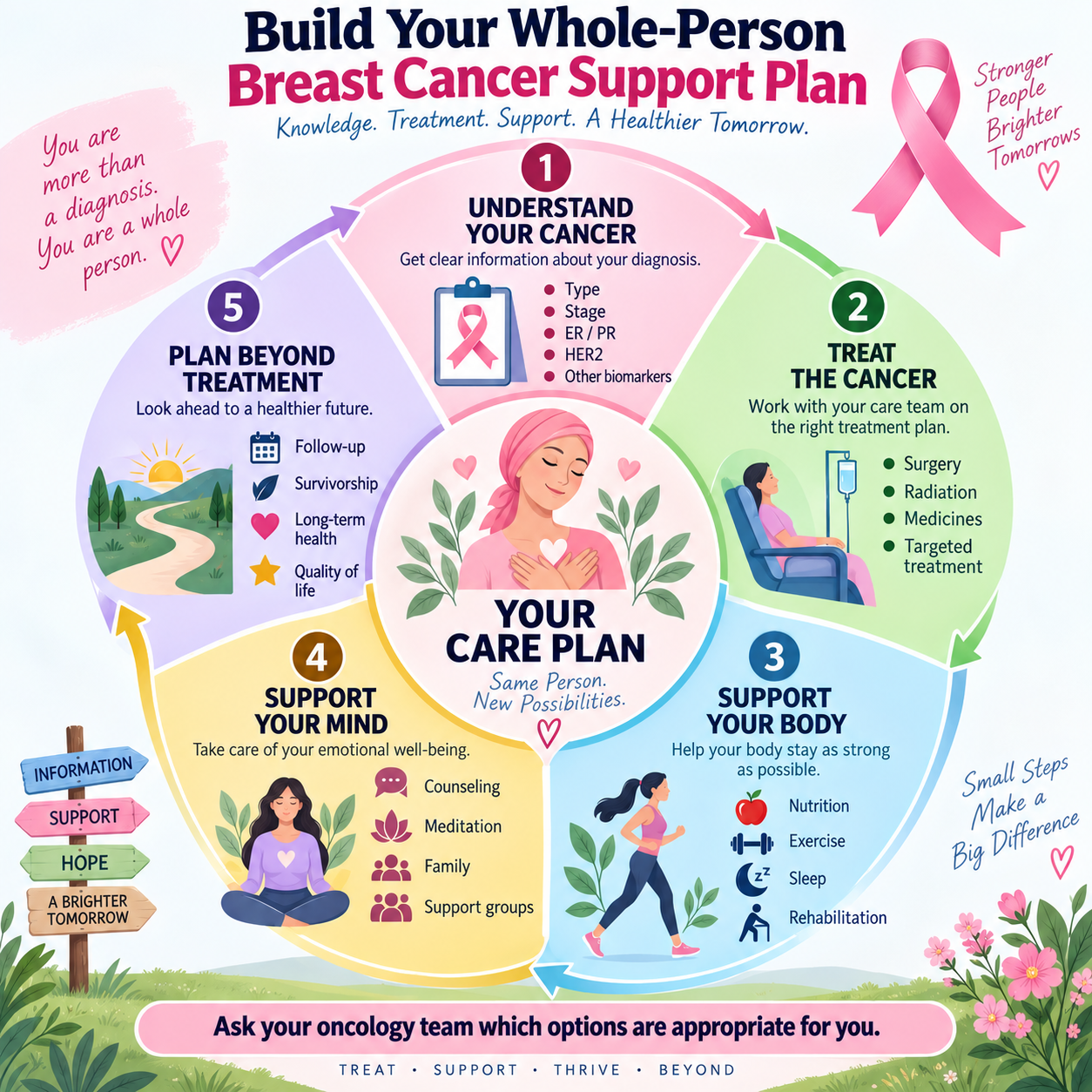
A practical plan can be divided into five areas.
1. Treat the cancer.
Understand:
- Cancer subtype
- Stage
- Biomarkers
- Treatment goals
- Expected benefits
- Potential side effects
2. Protect physical health
Focus on:
- Appropriate activity
- Strength
- Mobility
- Nutrition
- Sleep
- Symptom control
3. Protect mental health
Consider:
- Counseling
- Support groups
- Meditation
- Stress-management strategies
- Family support
4. Review complementary therapies carefully.
Before starting anything new, ask:
- What evidence supports it?
- What is the intended benefit?
- Could it interact with treatment?
- Is the practitioner qualified?
- Is there a safer alternative?
5. Plan beyond treatment
Think about:
- Follow-up care
- Exercise
- Nutrition
- Recurrence concerns
- Bone health
- Cardiovascular health
- Work
- Relationships
- Emotional recovery
This is where the concept of holistic care becomes practical rather than simply a collection of alternative treatments.
What Makes This Approach Different?
A genuinely useful article about a holistic approach to breast cancer should not simply provide another list of foods, herbs, and yoga exercises.
The more useful model is
Cancer biology + evidence-based treatment + physical health + emotional health + supportive care + survivorship + emerging research
That distinction makes the approach more medically responsible.
It also recognizes something important:
The best supportive-care plan may change throughout the cancer journey.
A person preparing for surgery has different needs from someone receiving chemotherapy.
Someone recovering from radiation has different needs from a long-term survivor.
Someone with metastatic breast cancer may have completely different goals from someone treated for early-stage disease.
Holistic care should therefore be personalized, flexible, and coordinated with oncology care.
Frequently Asked Questions
What is a holistic approach to breast cancer?
It is a whole-person approach that combines appropriate cancer treatment with attention to physical health, nutrition, exercise, emotional well-being, sleep, symptoms, rehabilitation, relationships, and long-term survivorship.
Can a holistic approach cure breast cancer?
No general holistic program has been proven to replace evidence-based breast cancer treatment. Complementary approaches may support selected symptoms or quality of life, but they should not replace surgery, radiation, systemic therapy, or other medically indicated treatment.
What are natural ways to support breast cancer recovery?
Healthy nutrition, appropriate physical activity, adequate sleep, emotional support, stress management, and rehabilitation can support overall health and recovery. They should complement, rather than replace, cancer treatment.
Can exercise help breast cancer patients?
Yes. Exercise can reduce fatigue and improve physical function, fitness, mood, and quality of life. It should be adapted to the person’s medical condition and treatment.
How much exercise should breast cancer survivors do?
For general health, many survivors can gradually work toward 150–300 minutes of moderate activity per week, or 75–150 minutes of vigorous activity, plus strength training at least twice weekly. However, this is a general target and may need modification during treatment or when medical problems are present.
Can yoga help during breast cancer treatment?
Yoga may support relaxation, physical function, and quality of life for some people. It should be adapted to the person’s treatment status and physical abilities.
Can meditation help breast cancer patients?
Meditation and other mind-body practices may help selected patients manage anxiety, stress, and quality-of-life concerns. They should be considered supportive therapies rather than cancer treatments.
Can turmeric cure breast cancer?
No. Turmeric or curcumin should not be promoted as a cure for breast cancer. Concentrated supplements may also interact with medicines, so patients should discuss supplements with their oncology team.
Can diet replace chemotherapy?
No. There is no diet proven to replace appropriate breast cancer treatment.
Are breast cancer vaccines available now?
Breast cancer vaccines are being investigated, including HER2-targeted, alpha-lactalbumin, and mRNA approaches. They remain experimental and are not replacements for established breast cancer treatment or screening.
What is the newest research in breast cancer?
Major research directions include antibody-drug conjugates, biomarker-guided treatment, ctDNA, immunotherapy, targeted therapy, AI-assisted diagnosis, organoids, personalized exercise programs, and cancer vaccines. Some are already influencing clinical care, while others remain experimental.
Is ctDNA a routine test after breast cancer treatment?
No. Although ctDNA is a promising research topic that has shown clinical utility in selected metastatic-treatment research, the 2026 ASCO breast-cancer surveillance guideline does not recommend routine ctDNA testing for recurrence monitoring.
Can complementary therapies replace cancer treatment?
No. Complementary therapies are used alongside conventional treatment. Replacing proven cancer treatment with unproven alternatives can be dangerous.
Should I take supplements during chemotherapy?
Do not start supplements without discussing them with your oncology team. Some supplements can interact with medicines or affect organs involved in treatment.
Common Mistakes to Avoid
1. Replacing Cancer Treatment With Natural Remedies
A healthy lifestyle can support overall well-being, but it should not replace surgery, radiation, chemotherapy, hormone therapy, targeted therapy, or other medically recommended treatment.
2. Assuming Natural Means Safe
Herbal products and supplements can interact with cancer medicines or cause side effects. Always discuss supplements with your oncology team before taking them.
3. Following Extreme Cancer Diets
Severely restrictive diets, prolonged fasting, or unbalanced eating patterns can make it harder to maintain adequate nutrition during treatment.
4. Believing One Food Can Cure Cancer
No individual food has been proven to cure breast cancer. Nutrition should support health and nutritional needs rather than be presented as a cancer treatment.
5. Treating Exercise as a Cure
Physical activity can support strength, fitness, fatigue management, and quality of life, but exercise does not replace cancer-directed treatment.
6. Ignoring Emotional Health
Cancer can affect anxiety, mood, sleep, relationships, and body image. Emotional and psychological support should be considered part of whole-person care.
7. Assuming Every Complementary Therapy Works
Evidence varies between therapies and symptoms. Ask what benefit is supported by research and whether the therapy could interfere with treatment.
8. Confusing Research With Approved Treatment
Breast cancer vaccines, ctDNA testing, AI tools, and organoid-based treatment research are exciting developments, but not every research finding is ready for routine clinical use.
9. Stopping Treatment Because You Feel Better
Feeling better does not necessarily mean that cancer treatment is no longer needed. Changes to treatment should always be discussed with the oncology team.
10. Using the Same Plan for Every Patient
Breast cancer differs according to stage, tumor biology, biomarkers, overall health, and treatment goals. A holistic care plan should therefore be individualized.
11. Ignoring New or Persistent Symptoms
New breast changes, treatment side effects, or unexplained symptoms should be discussed with an appropriate healthcare professional rather than managed solely with home remedies.
12. Relying Only on Online Information
Online information can help patients prepare questions, but treatment decisions should be based on discussion with qualified healthcare professionals who understand the individual’s medical history and cancer characteristics.
Conclusion
A holistic approach to breast cancer should not be confused with a collection of natural cures.
The strongest approach is broader and more practical.
It starts with accurate diagnosis and evidence-based cancer treatment. It then adds individualized support for nutrition, exercise, sleep, emotional well-being, symptoms, rehabilitation, relationships, and survivorship.
Modern breast-cancer medicine is also changing rapidly. Antibody-drug conjugates, biomarker-guided treatment, immunotherapy, targeted medicines, and precision diagnostics are expanding treatment options. Research into ctDNA, AI, organoids, and cancer vaccines could further change how breast cancer is detected, monitored, and treated in the future.
But research should always be interpreted carefully.
- A promising laboratory result is not the same as an approved treatment.
- An early clinical trial is not the same as a standard therapy.
- A supplement is not automatically safe because it is natural.
And a holistic approach is not successful because it promises a cure.
The most responsible goal is to treat the cancer effectively while caring for the person as a whole.
That means asking not only, “How do we treat the tumor?” but also:
How can we help this person remain as strong, informed, active, supported, and comfortable as possible throughout treatment and beyond?
That is the real value of whole-person breast-cancer care.
Medical Disclaimer
This article is intended for general health education and does not diagnose, treat, prevent, or cure breast cancer. Breast cancer treatment must be individualized by qualified healthcare professionals according to the cancer’s type, stage, biomarkers, overall health, and treatment goals. Do not stop prescribed cancer treatment or begin supplements, restrictive diets, or complementary therapies without discussing them with your oncology team. Emerging research described in this article may not yet represent approved or routinely available treatment.
Author Note
Author: RVLNSV PRASAD
This article is intended to provide an evidence-informed overview of holistic and integrative breast cancer care. The emphasis is on combining appropriate medical treatment with practical strategies that support physical health, emotional well-being, quality of life, and survivorship. Because breast-cancer research changes rapidly, readers should discuss current treatment options and emerging therapies with their oncology team.
Sources and Further Reading
- World Health Organization — Breast Cancer Fact Sheet
- International Agency for Research on Cancer — Breast Cancer Global Data
- National Cancer Institute — Advances in Breast Cancer Research
- National Cancer Institute — Breast Cancer Treatment
- National Cancer Institute — Breast Cancer Symptoms
- National Cancer Institute — Breast Cancer Risk Factors
- National Cancer Institute — Breast Cancer Screening
- American Society of Clinical Oncology—Exercise, Diet and Weight Management During Cancer Treatment
- ASCO — 2026 Breast Cancer Follow-Up and Surveillance Guideline
- ASCO—2026 ctDNA Testing Guideline
- FDA—2026 Trastuzumab Deruxtecan Breast Cancer Approval
- FDA—2026 Datopotamab Deruxtecan Approval for Triple-Negative Breast Cancer
- FDA—2026 Sacituzumab Govitecan Breast Cancer Approval
- American Cancer Society — Physical Activity During Cancer Treatment
- American Cancer Society — Diet and Physical Activity for Cancer Survivors
- NCI — Breast Cancer Clinical Trials
- NCI—Alpha-Lactalbumin Breast Cancer Vaccine Trial
- ClinicalTrials.gov — WOKVAC HER2 Breast Cancer Vaccine Trial
- PubMed — Breast Cancer Vaccines: Emerging Opportunities and Challenges
- PubMed — Major Advances in Breast Cancer Therapeutics in 2025
Similar Articles
- 7 Simple Health Changes to Reduce The Risk of Chronic Disease
- Best 7 Hormone Connection: How Balancing Your Body Can Accelerate Weight Loss
- Home
- Category Holistic Welness
- 4 Holistic Approaches to Managing Chronic Pain: A Comprehensive Guide
- 10 Best Morning Health Propensities to Boost Your Vitality and Productivity
- Train Smarter, Not Harder: Optimizing Workouts for Maximum Results
- Gut Health Revolution: How Nutrition Shapes Your Microbiome




[…] A Holistic Approach to Breast Cancer […]
[…] A Holistic Approach to Breast Cancer […]